

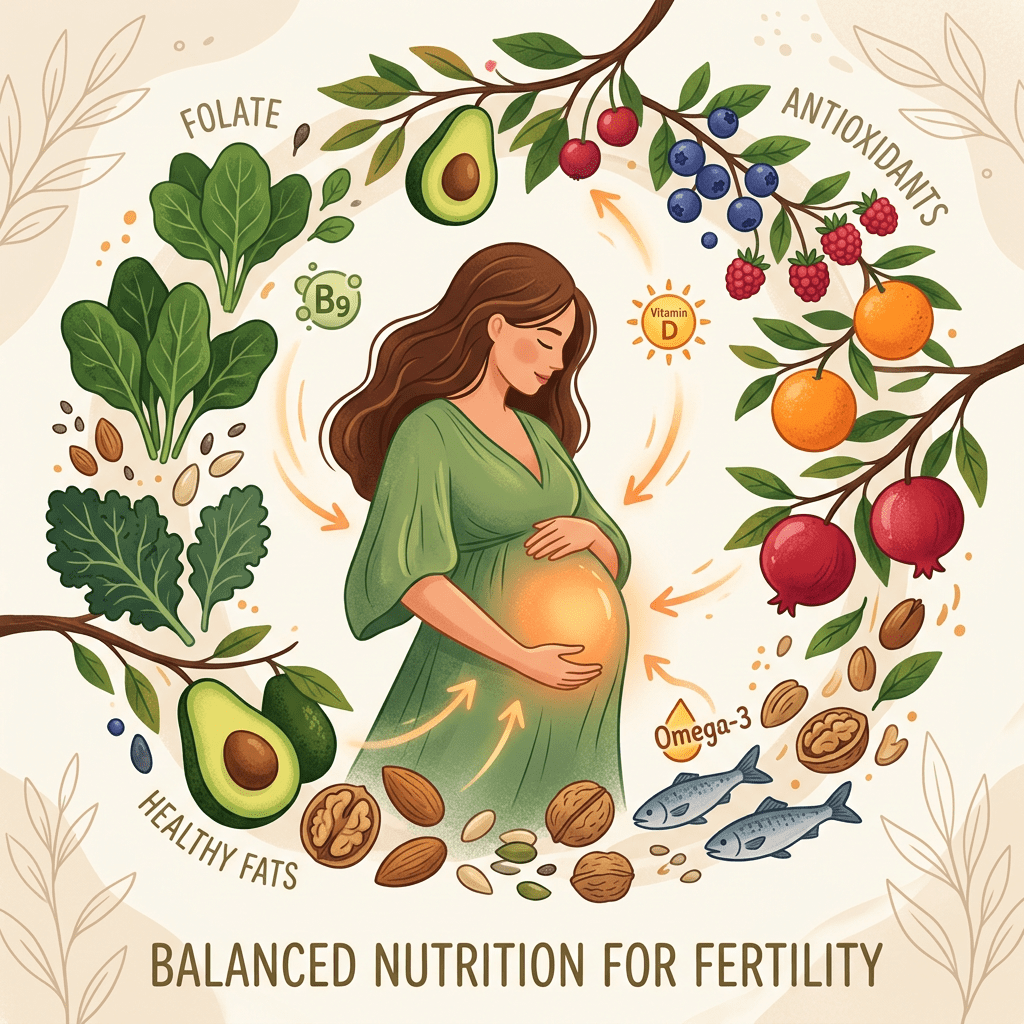
The Role of Nutrition in Conception and Preconception Health – by Neena Bhala, RIT Dietetic Graduate Student
1 in 6 women has sought support for infertility since the mid-1990s. While there are many contributing factors, one area that is often overlooked, yet deeply impactful, is nutrition in the preconception period.
This is where small, intentional changes can make a meaningful difference.
Why Nutrition Matters During Preconception
Preconception health is not just about preparing for pregnancy, but about creating the conditions in which conception is more likely to occur and a healthy pregnancy can be sustained.
What many people don’t realize is that:
- Egg quality develops over approximately 100 days
- Sperm health develops over approximately 3–4 months
This means your nutrition today directly impacts your fertility in the coming months.
Key Nutritional Factors That Influence Fertility
1. Micronutrients Matter More Than You Think
Low intake of key vitamins and minerals can negatively impact fertility. In particular:
- Folate (Vitamin B9) – leafy green vegetables (spinach, kale), legumes (lentils, chickpeas), fortified grains
- Vitamin B6 and B12 – poultry, fish, eggs, dairy; B6 can also be found in bananas and potatoes
- Iron – red meat, lentils, spinach, fortified cereals (plant sources are better absorbed with vitamin C – rich foods)
- Vitamin D (when deficient) – fatty fish (salmon, mackerel), fortified dairy products, egg yolks
These nutrients play a role in supporting hormone regulation, ovulation, and early fetal development.
2. Blood Sugar Balance Plays a Role
High intake of refined carbohydrates and sugary beverages is shown to be linked to ovulatory infertility.
For example:
- High glycemic foods like white rice and processed cereals increase the risk of infertility
- Sugary drinks are associated with lower embryo quality and lower live birth rates
A helpful shift is moving toward:
- Whole grains
- Legumes
- Vegetables
- Balanced meals with protein and healthy fats
- Example: Rather than a sugary breakfast cereal and juice, opt for a more supportive meal such as oatmeal with chia seeds, berries, and Greek yogurt. This provides fiber, protein, and healthy fats to help stabilize blood sugar.
3. Fat Quality Impacts Hormones
Not all fats are equal when it comes to fertility.
- Helpful fats: Omega-3s, monounsaturated fats (olive oil, nuts, seeds)
- Harmful fats: Trans fats and excess saturated fats
Even small increases in trans fats have been shown to significantly increase the risk of ovulatory infertility.
4. Protein Sources Make a Difference
Research suggests that:
- Higher intake of animal protein may increase infertility risk
- Replacing some animal protein with plant-based protein can reduce that risk significantly
References: https://pubmed.ncbi.nlm.nih.gov/18226626/ https://pubmed.ncbi.nlm.nih.gov/17978119/
This doesn’t mean eliminating animal products, but it does suggest balance matters.
5. Weight and Energy Balance
Both underweight and overweight conditions can disrupt ovulation:
- BMI under 17 is linked to anovulation
- BMI over 27 is associated with ovulatory dysfunction
Even moderate changes in weight can improve fertility outcomes.
References: https://pubmed.ncbi.nlm.nih.gov/14967378/ https://pubmed.ncbi.nlm.nih.gov/11880759/
6. Alcohol, Caffeine, and Lifestyle Habits
- Regular alcohol intake may reduce fertility, especially in both partners
- High caffeine intake may impact egg development
- Smoking is strongly linked to reduced fertility and earlier ovarian aging
Small reductions here can have a meaningful impact.
What a Fertility-Supportive Diet Looks Like
Across research and practice, a few consistent patterns emerge.
A fertility-supportive approach includes:
- Plenty of vegetables (aim for a wide variety and color)
- Moderate fruit intake
- Whole, minimally processed carbohydrates
- Healthy fats like olive oil and flaxseed oil
- Protein at each meal (plant-based or high-quality animal sources)
- Adequate hydration
Many of these principles align with a Mediterranean-style diet, which has been associated with higher pregnancy rates.
The Bigger Picture
Remember, nutrition does not work in isolation.
Fertility is influenced by a combination of:
- Stress levels: Chronic stress can disrupt hormone signaling.
- Incorporate stress-reducing practices such as daily walks, mindfulness, or journaling.
- Sleep and circadian rhythm: Irregular or insufficient sleep patterns can impact reproductive hormones
- Maintain a consistent sleep schedule and aiming for 7-9 hours per night.
- Environmental exposures: certain chemicals may interfere with hormone function
- Reduce the use of plastics for food storage and choosing BPA-free products.
- Gut and vaginal microbiome health: A healthy microbiome supports overall reproductive health
- Include fiber-rich foods and fermented foods like yogurt or kefir.
Fertility as a Reflection of Overall Health
One of the most empowering ways to think about fertility is this:
Fertility is not something you “fix.” It is something that improves as overall health improves.
Rather than focusing only on conception, preconception nutrition invites a broader question:
How can I support my body to function at its best?
Final Thoughts
If you are thinking about conceiving, the most impactful step you can take may not be a single supplement or intervention.
It is consistent, daily choices that support your body over time.
Even a 3-month window of intentional nutrition and lifestyle changes can influence outcomes in significant ways.
Discover more from Promise of Vitality
Subscribe to get the latest posts sent to your email.
