

Written by: Tami Best, MS, RD, IFNCP
Gut disruption or an illness can completely derail the best training programs. Period.
While training for the Boston marathon several years ago, I deliberately and intentionally would choose foods that would not only enhance my endurance and my energy but would be the least likely to cause gut upset, keep me lean and free from illness. There is nothing worse than making it to a big race day having checked all the training boxes only to be down with cold and flu symptoms or sidelined on the course with gastrointestinal upset.
There is much that goes into keeping your gut happy. This includes:
- eating a wholefood, unprocessed diet,
- recognizing and avoiding foods we are sensitive, intolerant, or allergic to,
- and keeping stress levels in check.
In this article, we will explore the gut microbiome, discussing probiotics, prebiotics and postbiotics.
So, what is a microbiome?
A microbiome is a community of living organisms which can include bacteria, fungi, viruses, and yeast. The community of organisms in your gut evolves from birth and is ever changing. It is widely recognized that these organisms play a huge role in bowel regularity. In addition, they have many other functions that influence health and impact training. The bacteria in your intestinal tract influence vitamin production, mood-regulation, digestion and absorption of nutrients, weight regulation and immune function. Disruption in the balance of organisms in the gut is known as dysbiosis.
A healthy gut microbiome has an abundance of a wide-variety organisms. When diversity and abundance go down, the likelihood for gastrointestinal upset and diseases goes up. There are two main phyla or families of bacteria in the gut: Firmicutes and Bacteroidetes. To maintain a lean phenotype that supports training, it is better to have a higher ratio of Bacteroidetes to Firmicutes.
Probiotics:
Probiotics are good bugs that create microbiomes. They prevent pathogenic or harmful organisms from taking hold in our gastrointestinal tract. They also regulate our immune system which resides in the lining of our gut. There are hundreds of different species in the gut that make up these two larger families (Bacteroidetes and Firmicutes) of bacteria. Prevalent species of probiotics are lactobacillus and bifidobacteria. For each of these big groups, there are many different strains or subspecies. Remembering varied and abundant gut-microbiome is a healthy microbiome, probiotics need to be replenished daily and come from a variety of sources. Sources of probiotics include:
- Buttermilk
- Cottage and aged cheeses
- Yogurt (dairy and non-dairy) with live and active cultures
- Fresh fermented vegetables (in the refrigerator section)
- Kimchi
- Kombucha that has been lacto-fermented.
- Miso
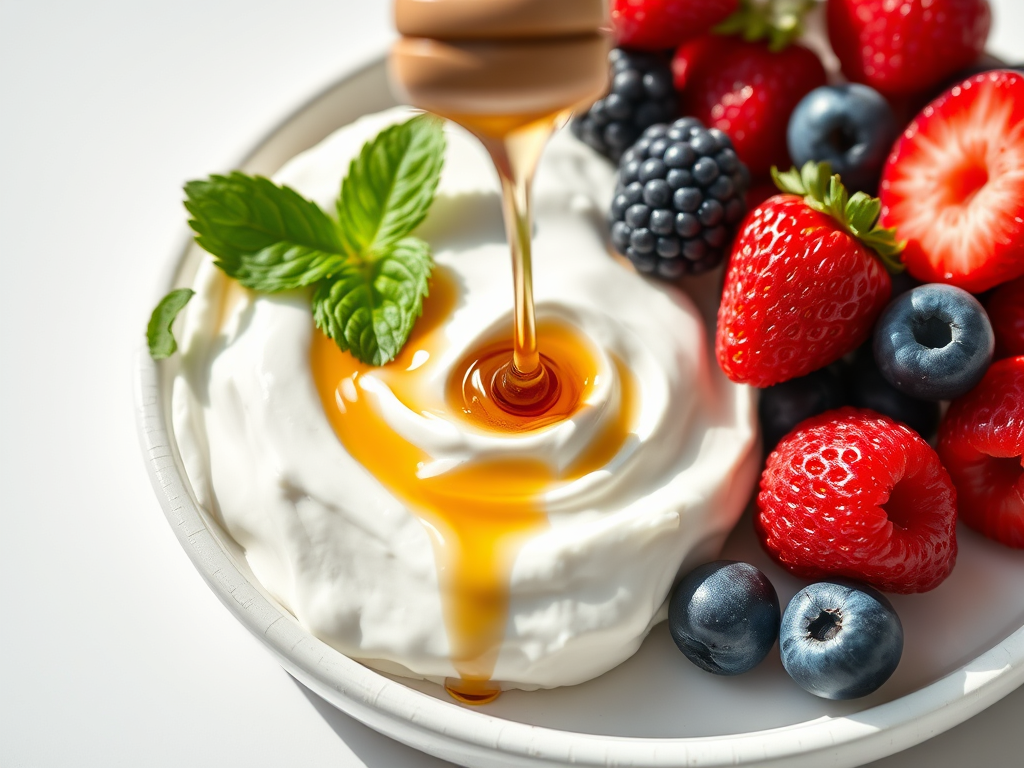
A good strategy is to have a couple of servings of probiotic-rich foods each day. For example, having a plain organic Greek yogurt with berries and ground flaxseed for breakfast and a couple of forkfuls of fermented vegetables with lunch and/or dinner.
Prebiotics
To grow and multiply, probiotics need to be fed with the right types of food. Prebiotics are fiber rich foods that help keep the probiotics healthy, so they grow. Examples of prebiotic foods include:
- Bananas
- Leafy green veggies like dandelion greens and endive
- Garlic and onion
- Honey
- Whole grains like oatmeal and barley
- Certain veggies like asparagus, Jerusalem artichokes, jicama, eggplant and peas
These prebiotic-rich foods support a higher ratio of Bacteroidetes to firmicutes. Conversely, refined carbohydrates and sugars support a higher ratio of firmicutes to Bacteroidetes which is associated with a heavier body weight and metabolic disruption.
Postbiotics
When probiotics feed on prebiotics, healthy compounds are formed known as postbiotics. These are short-chained fatty acids like butyrate that help feed the cells of the intestinal tract, keeping them healthy and maintaining the tight-junctions of the cells in the intestinal tract. This is important to maintain a selectively permeable membrane in the intestine. A selectively permeable membrane allows for life-sustaining nutrients to enter the bloodstream while preventing toxins and undigested food particles from entering and wreaking havoc on our immune system and our body.
Postbiotics have also been shown to normalize bowel habits and reduce intestinal inflammation. There is some evidence to show that postbiotics also help with promoting a sense of satiety, aiding with appetite control and staying lean.
Fiber-rich prebiotics (listed above) feed probiotics to produce health-promoting postbiotics such as butyrate. Conversely, sugar and refined carbohydrates feed gram-negative bacteria that produce endotoxins known as lipopolysaccharides or LPS. LPS can enter the bloodstream causing disruption and chronic inflammation.
Conclusion:
Probiotics, prebiotics and postbiotics are critical for gastrointestinal health, whole-body health, regulation of energy, manufacturing and absorption of nutrients and maintaining a strong, lean body.
A good strategy is to start by eating a mostly whole foods diet with limited processed and refined carbohydrates. Consume probiotic and prebiotic rich foods daily to ensure adequate production of healthy postbiotics. A balanced intake may look something like this:
- Plain organic Greek yogurt topped with berries, ground flaxseed, and drizzled with honey.
- Banana with 1 T. Nut butter
- Mixed green salad topped with fresh snow peas, roasted honey-glazed pecans, chopped apples and organic cottage cheese.
- Lean burger on a whole-grain bun topped with fresh fermented pickles, avocado, tomato, and lettuce. Served with roasted asparagus.
Discover more from Promise of Vitality
Subscribe to get the latest posts sent to your email.
