

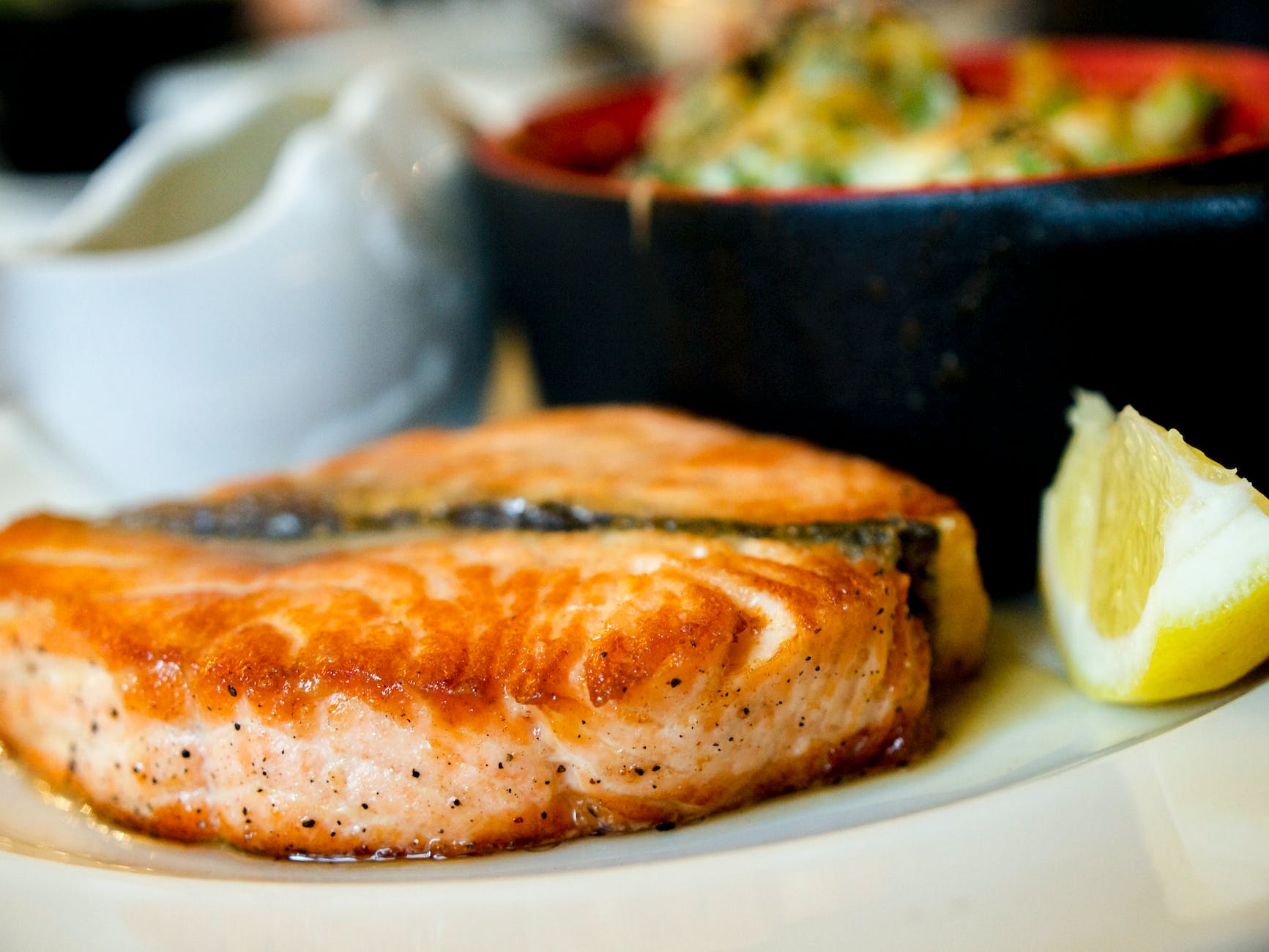
Nearly daily, someone asks me, “How much protein do I need?” or something to that effect.
The answer depends.
Age, activity level, weight, medical background and even genetics play a role.
Generally, I determine protein recommendations by calculating someone’s weight in kilograms. This can be accomplished by dividing someone’s weight in pounds by 2.2. So, someone who is 143 pounds would weigh 65 kilograms.
Let’s work through the 143 pound, 65kg, individual and use activity level to determine approximate protein needs.
| Goals | Moderate Activity, 150 minutes per week | 65-gram individual protein needs (moderate activity) | Vigorous activity to competitive athletes | 65-gram individual protein needs (vigorous activity) |
| Weight and Muscle Maintenance | .8-1.2 grams/kg | 52-78 grams | 1.2-1.7 grams/kg | 78 – 111 grams |
| Muscle Gain | 1.2-2.0 grams/kg | 78- 130 grams | 1.4-2.0 grams/kg | 91 – 130 grams |
| Weight Loss | 1.4-2.2 grams/kg | 91- 143 grams | 1.6-2.4 grams/kg | 104- 156 grams |
Big ranges, right? Let’s look at this further.
Sarcopenia, is the loss of skeletal muscle tissue. With sarcopenia comes a loss of function, disability and function so we want to do whatever we can to prevent it. There are several things that can cause this but know that somewhere around the age of 35 we all begin to experience loss of our muscle mass, with an acceleration hitting around age 65. Likewise, following a low-calorie diet can also contribute to loss of muscle mass. This is why it is important to up your protein intake when looking to lose weight in order to prevent loss of metabolically active muscle mass. Maintaining metabolically active muscle mass will help prevent a quick rebound weight gain once you resume a higher calorie diet.
Strength training exercise is arguably even more important when it comes to maintaining or gaining muscle mass. Aiming for 20-30 minutes of strength training two to three times a week is recommended to optimize fat free mass.
Once you determine your estimated protein needs based on your weight and activity level, think of your age. For example, a young adult, ages 18-35 can likely look at the maintenance guidelines unless they are looking to lose weight. Around the age of 35, consider following the guidelines for muscle gain with those aged 65 and older leaning into the muscle gain recommendation to delay the acceleration of muscle loss that can accompany our later years.
Note, read your food labels for protein content and follow these general guidelines:
- 1 ounce from “protein category”, meat, one egg, seafood and meat alternative such as tofu provides 7g. protein
- 1 serving of legumes provides 3-7g of protein
- 1 serving dairy provides 8 grams of protein
- 1 serving nuts/seeds provides 3-7 g of protein
- 1 serving of vegetables provides 2-3 grams of protein
- 1 serving of grains has about 2 grams of protein per serving
If you choose protein bars, choose ones with clean ingredients. You can read about some suggestions here. Likewise, if you are choosing protein powders to supplement your protein intake, do so with care. Avoid those with artificial sweeteners and maltodextrin in them. Choose clean varieties such as Organic Garden of Life plant or whey protein. Protein made from goat’s milk can be a great alternative to cow’s milk protein. Like cow’s milk, it is a complete protein having all of our 9 essential amino acids needed to build and repair muscle. The type of fat in it, medium chained triglycerides, are easier to digest and it is also lower in lactose that cow milk.
Finally, I may recommend targeted amino acid supplements where appropriate however this is pretty individualized.
The guidelines above are general recommendations, however if you have a pre-existing condition and/or over the age of 65, it is critical to discuss your individualized protein needs with your dietitian.
Discover more from Promise of Vitality
Subscribe to get the latest posts sent to your email.
